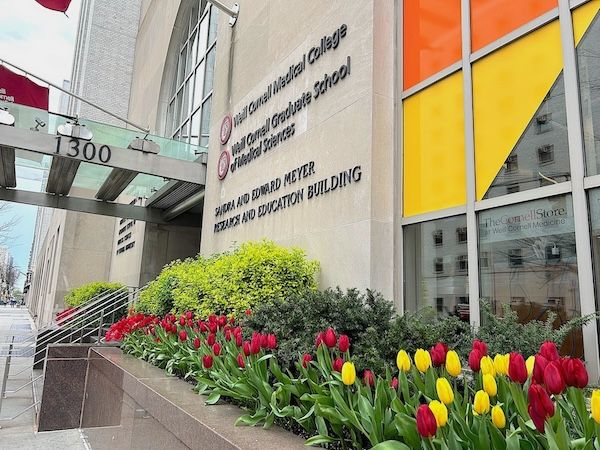
Part of The Weill Cornell Graduate School of Medical Sciences. A combined program of Weill Cornell Medical College and the Sloan-Kettering Institute, we are a premiere school in biomedical research. We are part of Cornell University (Ithaca, NY) but Weill Cornell Medical College is located in New York City. Read more about our programs of study:

The research activities of the Cornell Pharmacology Program faculty cover broad areas of modern pharmacological sciences. Faculty carry out research in cancer pharmacology, neuropharmacology, cardiovascular pharmacology, drug metabolism, toxicology, proteomics, molecular pharmacology, receptors and signal transduction, and drug design.

POSTDOCTORAL RESEARCH:

OPPORTUNITIES AND INFORMATION


PHOTOGRAPHS:

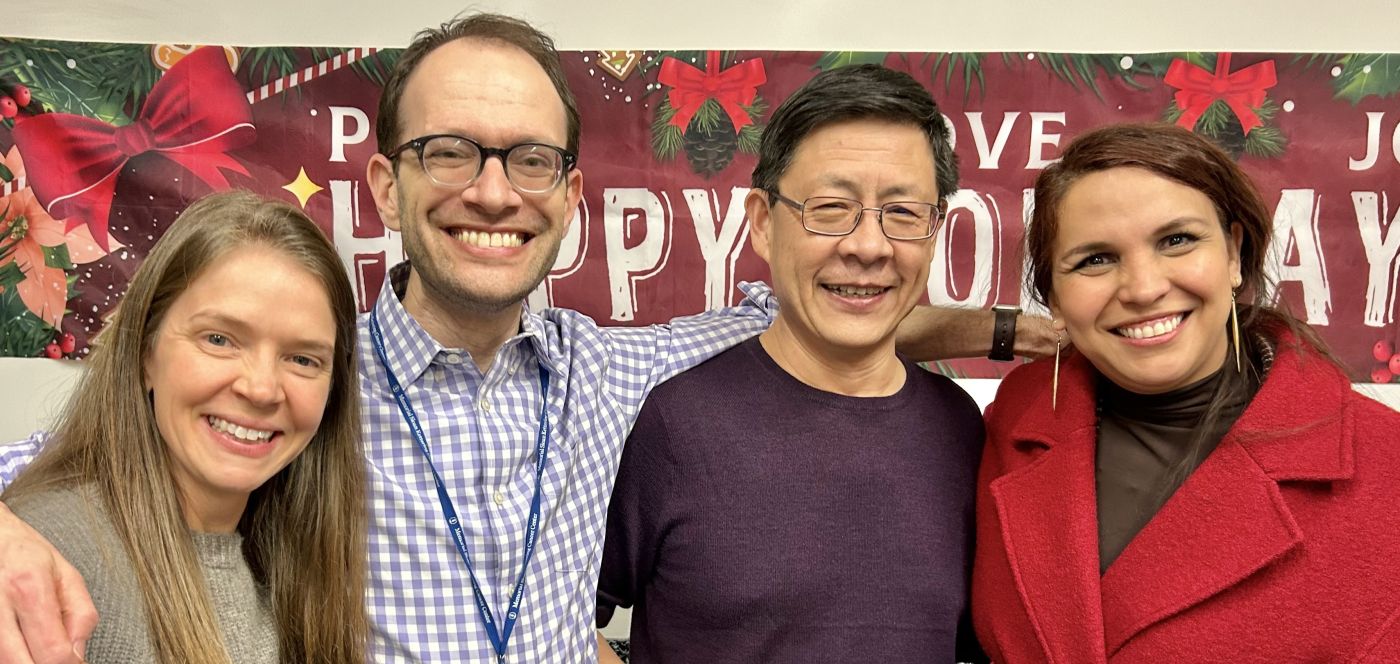
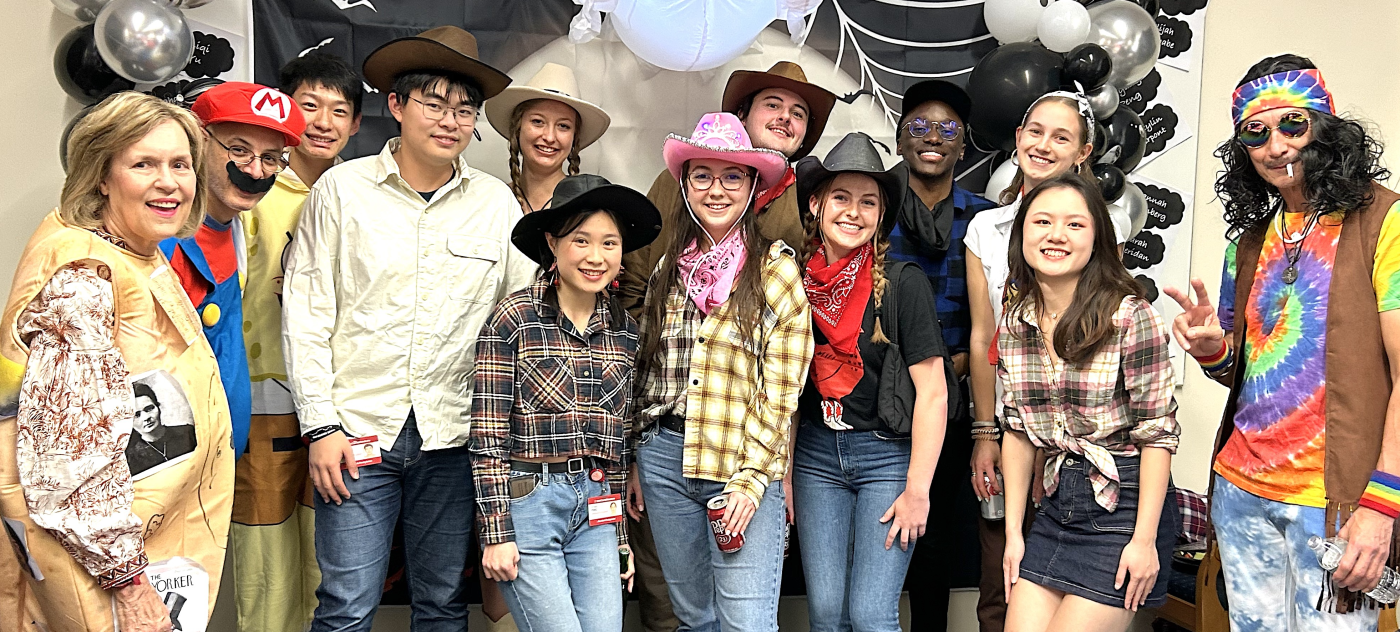
Parties and Events

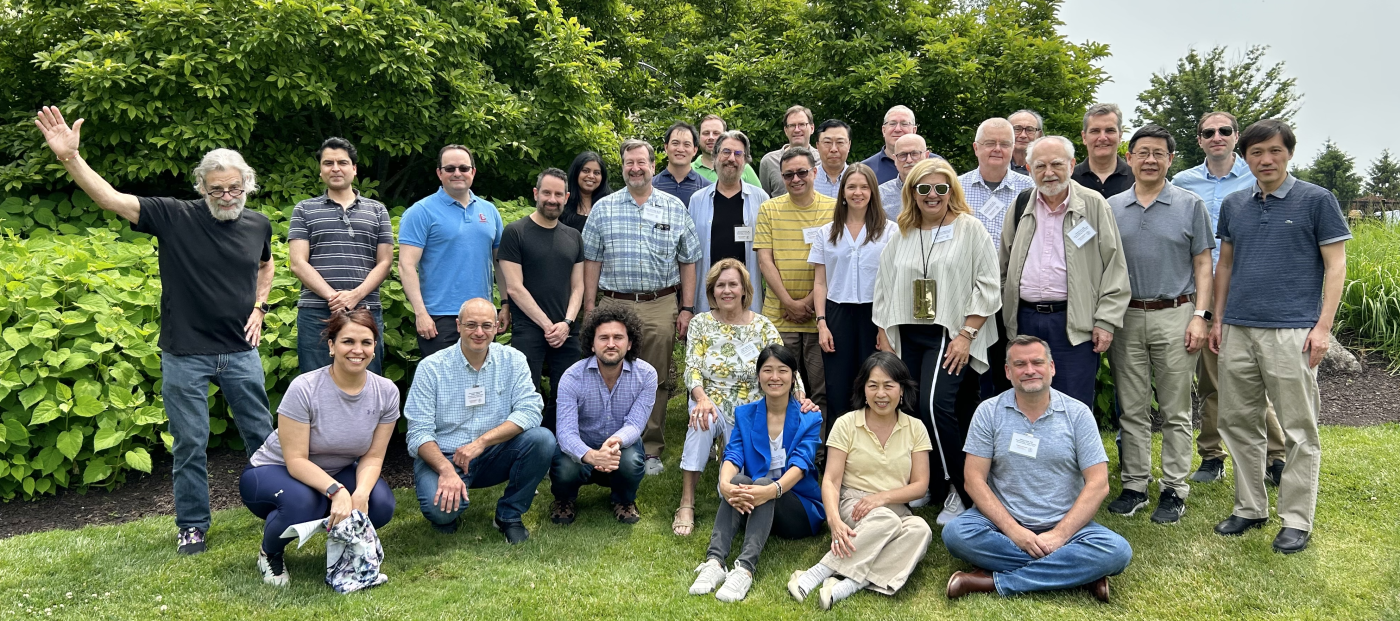
Spring Retreat

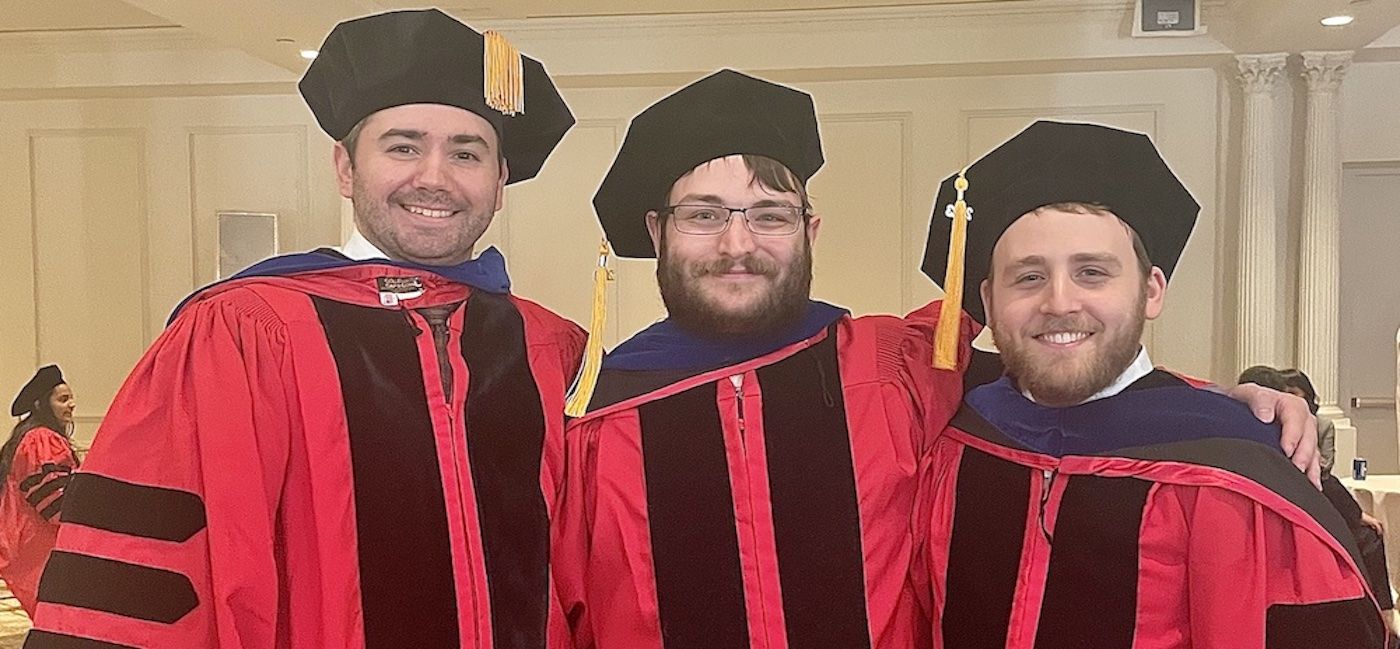
Graduation

DIVERSITY

Text size:

SPECIAL ANNOUNCEMENT: Weill Cornell Medical College and The Department of Pharmacology Present:

"The 2012 NINA W. WERBLOW LECTURE"

STEPHEN V. FRYE, PH.D.

Professor, Division of Medicinal Chemistry and Natural Products, Director, Center for Integrative Chemical Biology and Drug Discovery, Eshelman School of Pharmacology, The University of North Carolina at Chapel Hill


"CHEMICAL BIOLOGY OF METHYL-LYSINE"


TUESDAY, MAY 22, 2012, Uris Auditorium, 4:00 PM.

SPECIAL ANNOUNCEMENT: The Department of Pharmacology Presents:

"The 2012 Pharmacology Reidenberg Lecture"

STEVEN L. SHAFER, PH.D.

Professor of Anesthesiology, Columbia University


"THE ROLE OF CLINICAL PHARMACOLOGY IN MICHAEL JACKSON TRIAL"


TUESDAY, JUNE 5, 2012, Uris Auditorium, 4:00 PM.

May 17, 2012: "Researchers Reveal that RNA Modification Influences Thousands of Genes."

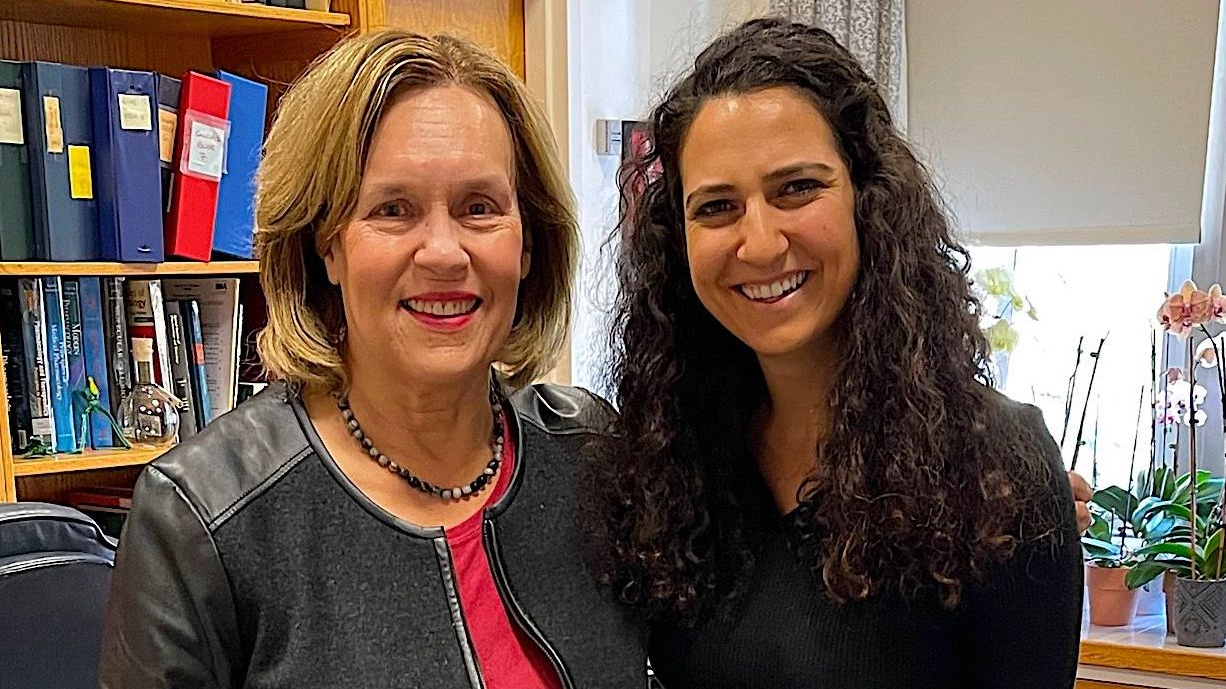
Dr. Samie Jaffrey, Dr. Kate Meyer, and their colleagues report in the May 17, 2012 issue of CELL that messenger RNA (mRNA), long thought to be a simple blueprint for protein production, is often chemically modified by addition of a methyl group to one of its bases, adenine. "This finding rewrites fundamental concepts of the composition of mRNA because, for 50 years, no one thought mRNA contained internal modifications that control function," says the study's senior investigator, Dr. Samie R. Jaffrey, an associate professor of pharmacology at Weill Cornell Medical College. To read more, click here

TUESDAY, May 22, 2012, 4:00 PM, Room A-250

Stephen V. Frye, PH.D.

Professor, Division of Medicinal Chemistry and Natural Products, Director, Center for Integrative Chemical Biology and Drug Discovery, Eshelman School of Pharmacology, The University of North Carolina at Chapel Hill

"CHEMICAL BIOLOGY OF METHYL-LYSINE"